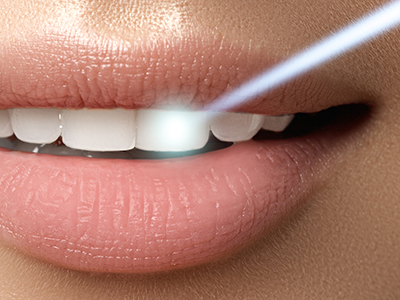
Laser dentistry uses focused light energy to gently interact with oral tissues for a variety of diagnostic and treatment purposes. Unlike mechanical instruments, dental lasers deliver precise energy that can remove or reshape soft tissue, reduce bacteria in periodontal pockets, or stimulate targeted hard-tissue reactions in the tooth structure. The result is a tool that complements conventional techniques rather than replacing them outright.
At a basic level, dental lasers operate by emitting a specific wavelength of light that is absorbed by water, hemoglobin, or hydroxyapatite in tissues. When absorbed, that energy produces controlled effects — cutting, vaporizing, coagulating, or sterilizing — depending on the wavelength and the tissue targeted. Different laser systems are designed for soft-tissue applications (gums, mucosa) or hard-tissue tasks (enamel, dentin), and modern practices choose the device that best matches the clinical need.
This precision is what makes laser dentistry increasingly popular in general and specialty care. For many procedures the laser’s focused action reduces collateral tissue trauma, leaving more healthy structure intact. Because the beam is non-contact and can cauterize small blood vessels as it works, patients often experience less bleeding and a cleaner surgical field during and after treatment.
Still, laser therapy isn’t a universal solution: its effectiveness depends on the type of problem, the anatomy involved, and the clinician’s training with the device. A careful diagnosis and treatment plan remain the starting point; the laser is one of several tools that may be selected to achieve the best clinical outcome.
Dental lasers are used across a wide range of treatments in routine and specialty dentistry. They can assist with periodontal therapy by removing infected tissue and reducing microbial load in pockets, and they’re often used to shape or remove soft tissue during procedures such as crown-lengthening or recontouring gums for cosmetic reasons. In pediatric dentistry and oral surgery, lasers can streamline minor soft-tissue surgeries like frenectomies with minimal disruption.
For restorative dentistry, certain lasers help prepare tooth surfaces before bonding or cure some types of restorative materials. In endodontics, lasers may be applied adjunctively to help disinfect root canals and reduce bacteria that mechanical instrumentation cannot always reach. Additionally, lasers are frequently employed for safe, minimally invasive biopsies and for the removal of small oral lesions when appropriate.
Lasers also play a role in cosmetic treatments. They can be used to activate in-office whitening systems, accelerating the whitening process and often enhancing results when combined with professional bleaching protocols. Because lasers can sculpt soft tissues with great precision, they are useful in smile-design cases where symmetry and tissue contours are important.
It’s important to recognize that different laser wavelengths and delivery systems are suited to different tasks. Your provider will recommend the specific technology that matches your clinical needs, whether that means a soft-tissue diode laser for gum treatments or a hard-tissue erbium laser for certain enamel and dentin work.
Many patients notice that laser-assisted procedures can be more comfortable than traditional methods. Because certain lasers work without direct contact and generate minimal heat or vibration, patients frequently report less immediate discomfort. For soft-tissue procedures, the laser’s ability to coagulate small blood vessels as it cuts results in reduced bleeding, which can improve visibility and shorten the time spent in the chair.
Healing after laser treatments is often favorable. The bactericidal properties of laser energy can lower the risk of infection at the treatment site, and the reduced tissue trauma can translate to less postoperative swelling and a quicker return to normal function. This can be especially advantageous in periodontal therapy, where reduced inflammation and clearer tissues support faster recovery.
Laser precision also contributes to conservative treatment. Because lasers can selectively target diseased tissue while preserving healthy structure, they help clinicians limit how much tooth or gum tissue needs to be removed. That conservation of natural tissue supports long-term oral health and can simplify subsequent restorative steps.
Beyond tangible physical benefits, lasers can reduce anxiety for patients who are uneasy about dental drills. The quieter, less invasive nature of many laser procedures may make dental care more tolerable for nervous patients, helping them get the treatment they need without undue stress.
Preparation for a laser procedure begins with a comprehensive exam and discussion of treatment goals. Your dentist will review your medical history, examine the relevant oral tissues, and explain whether a laser is appropriate for the intended procedure. If the plan includes laser treatment, you’ll be advised about any pre-treatment steps, such as adjustments to medications or routine oral hygiene, to optimize healing.
On the day of treatment, many laser procedures require little to no anesthesia, though local anesthesia may still be recommended depending on the area and complexity. The clinical team will explain how the laser works, what sensations to expect, and any safety steps — such as protective eyewear for both patient and staff — that are standard protocol when lasers are in use.
During the appointment, the treatment is typically performed with steady, controlled movements by a trained clinician. Because lasers can minimize bleeding and swelling, office time may be shorter and postoperative instructions simpler than after more invasive approaches. Still, patients receive tailored aftercare guidance — such as soft-food recommendations and oral hygiene tips — to support a smooth recovery.
Laser dentistry is safe when performed by clinicians who understand the device’s properties and follow established safety protocols. This includes correct wavelength selection, proper power settings, and adherence to protective measures like eye protection and barrier techniques. Providers also need appropriate training and experience to recognize when laser use is clinically indicated versus when traditional methods are preferable.
There are clear limitations: not every dental problem is amenable to laser therapy. For example, extensive hard-tissue removal for large cavities or complex surgical reconstructions may still be more effectively managed with conventional burs or surgical instruments. The choice to use a laser is made case by case, balancing the clinical advantages of the laser with the overall treatment objectives and the patient’s health history.
Clinical judgment guides responsible use of lasers. Your dentist will explain why a laser is recommended or why an alternative may be a better fit for your situation. This collaborative decision-making ensures that the selected approach aligns with predictable outcomes and your personal comfort level.
At Lake Harris Dental, we incorporate modern technologies, including dental lasers when appropriate, to enhance patient comfort and clinical precision. If you’re curious whether laser dentistry is a suitable option for your care, please contact us for more information and to schedule a consultation with our team.


Laser dentistry uses concentrated light energy to interact with oral tissues for diagnostic and therapeutic purposes. Instead of rotary instruments or scalpels, lasers deliver targeted energy that can cut, vaporize, coagulate, or disinfect depending on the wavelength and settings. This selective action often preserves more healthy tissue because the beam can be tuned to affect only the intended area.
Lasers are not a universal replacement for conventional tools but rather an adjunct that complements established techniques. Clinicians choose lasers when the clinical advantages outweigh other approaches and when the device is appropriate for the tissue involved. A clear diagnosis and treatment plan determine whether a laser is recommended for a given procedure.
Dental lasers emit light at specific wavelengths that are absorbed differently by water, hemoglobin, and mineral components of teeth and bone. Absorption characteristics determine the laser's effect—some wavelengths are ideal for soft-tissue cutting and coagulation, while others are effective for ablating or conditioning hard tissues like enamel and dentin. The combination of wavelength, power, and pulse duration allows clinicians to control tissue response precisely.
Choosing the right wavelength and delivery system is essential for safety and effectiveness. Different laser systems are engineered for particular clinical tasks, so a device that excels at soft-tissue contouring may not be suitable for hard-tissue preparation. Proper training ensures the clinician selects settings that achieve the intended result with minimal collateral damage.
Lasers assist in a broad range of treatments across general and specialty dentistry, including soft-tissue surgeries such as gingival recontouring, frenectomies, and small lesion removals. They are also used adjunctively in periodontal therapy to reduce bacterial load and in endodontics to help disinfect root canal systems. For restorative work, certain lasers can prepare tooth surfaces and enhance bonding for some materials.
In cosmetic dentistry, lasers can refine tissue contours for smile design and accelerate in-office whitening when used with appropriate bleaching protocols. They are useful for minimally invasive biopsies and managing soft-tissue discomfort or inflammation in selected cases. The specific application depends on the laser type and the clinical objectives determined during consultation.
Many patients experience reduced discomfort with laser-assisted procedures because lasers can work without direct contact and often produce less vibration and heat than mechanical instruments. The beam's ability to cauterize small blood vessels during soft-tissue work can reduce bleeding and postoperative soreness. As a result, some treatments may require little or no local anesthesia depending on the procedure and patient tolerance.
Comfort outcomes vary by procedure, individual sensitivity, and the operator's technique, so clinicians will explain what to expect for each case. Lasers can also lower anxiety for patients who are sensitive to drills or scalpels, yet they are one option among several and are chosen based on clinical suitability. Postoperative care and pain control follow the same evidence-based principles used with traditional methods.
Preparation begins with a comprehensive examination and a review of your medical and dental history so the clinician can determine whether a laser is appropriate. You may be asked about medications, implants, or conditions that affect healing, and the team will discuss any pre-treatment instructions tailored to the planned procedure. Routine oral hygiene measures are typically encouraged to optimize treatment outcomes.
On the appointment day, you will receive explanations about the steps of the procedure, necessary safety measures such as protective eyewear, and any local anesthesia decisions. Follow-up care instructions will be provided to support healing, including recommendations for oral hygiene, diet, and signs to monitor. If you have specific concerns, bring them up during the consultation so the clinician can address them before treatment begins.
Safety in laser dentistry involves correct device selection, calibrated power settings, controlled exposure, and adherence to manufacturer and professional guidelines. Standard precautions include protective eyewear for the patient and clinical team, use of barriers to prevent unintended reflections, and verification of device parameters before activation. Clinicians also follow infection-control policies and maintain training to operate the equipment safely.
Because lasers interact differently with various tissues, ongoing education and hands-on experience are essential for minimizing risks. The treatment environment is managed to avoid accidental exposure, and clinicians document the laser type and settings used for each procedure. Clear communication with the patient about sensations and precautions further supports a safe treatment experience.
Lasers have clinical limitations and are not ideal for every procedure; extensive hard-tissue removal, complex surgical reconstructions, and certain restorative tasks often remain better managed with conventional burs and surgical instruments. The effectiveness of a laser depends on the anatomy, lesion size, and whether the available wavelength can safely and predictably achieve the desired outcome. Relying on clinical judgment prevents inappropriate use of the technology.
In some cases, lasers are best used as an adjunct to conventional techniques rather than a standalone solution. The clinician will weigh the benefits and drawbacks, explaining why a laser is recommended or why an alternative method may produce a more predictable result. This case-by-case decision-making ensures the selected approach aligns with long-term oral health goals.
Yes, certain lasers are used in-office to activate or accelerate professional whitening agents, which can shorten treatment time and enhance the bleaching reaction under controlled conditions. Additionally, lasers excel at precise soft-tissue sculpting, making them valuable for smile-design procedures where gingival symmetry and contours affect aesthetics. These applications are integrated into comprehensive cosmetic plans that consider tooth position, color, and soft-tissue balance.
Cosmetic laser use depends on the specific device and the patient's oral condition, so clinicians evaluate whether laser adjuncts are appropriate for each case. Laser-enhanced whitening and tissue contouring are tools that support cosmetic outcomes when used with evidence-based whitening protocols and restorative planning. The expected benefits and any limitations are reviewed during the cosmetic consultation.
In periodontal care, lasers can remove diseased soft tissue and reduce bacterial counts within periodontal pockets, which supports pocket reduction and improved tissue health in selected cases. The bactericidal effects of certain laser wavelengths can complement mechanical debridement by reaching areas that instruments may miss, and the coagulative action helps control bleeding during procedures. These properties can create a cleaner surgical field and facilitate precise tissue management.
Healing advantages stem from reduced collateral trauma and the disinfecting properties of laser energy, which may lead to less postoperative swelling and faster symptom resolution for some patients. The clinical outcome depends on disease severity, patient factors, and the integration of lasers with other periodontal therapies. Periodontal treatment plans are individualized to achieve predictable health improvements over time.
Determining candidacy begins with a comprehensive consultation that includes a medical history review, oral examination, and any necessary imaging to evaluate the tissues involved. Dr. Vamsi Kallepalli or a qualified member of the clinical team will explain whether a laser is suitable for the planned procedure and discuss alternative approaches when appropriate. The evaluation considers the specific clinical indications and your overall health to ensure safe, evidence-based care.
If a laser is recommended, the team will outline the proposed steps, expected sensations during treatment, and postoperative care to support recovery. If an alternative method is preferable, the clinician will describe why it better meets the treatment objectives. Contact the Lake Harris Dental office in Fruitland Park, FL to schedule a consultation and learn which options align with your dental goals.

Looking to book your next dental visit or need more information about our services?
Getting in touch with Lake Harris Dental is simple and stress-free. Our welcoming team is happy to help you schedule an appointment, explain treatment options, and answer any questions you may have. Whether you choose to call, email, or use our easy online contact form, we’re ready to assist you. Take the next step toward a healthier, more confident smile by contacting us today and experience dental care tailored just for you.