At the office of Lake Harris Dental, we focus on guiding families through the important early steps of oral care. Pediatric dentistry is about more than fixing cavities — it’s about building healthy routines, reducing anxiety, and giving children the tools they need to carry a confident, resilient smile into adulthood.

Preventive care in childhood lays the foundation for lifelong oral health. Routine exams and cleanings help detect small problems before they become complex, and they give clinicians a chance to coach families on effective brushing, flossing, and dietary choices. Teaching children healthy habits early reduces the need for restorative work later and fosters a sense of responsibility about their own health.
Our approach emphasizes practical, age-appropriate strategies. For infants and toddlers, that may mean guidance on cleaning gums and preventing bottle-related decay. For school-age children, the focus shifts to mastering brushing and flossing techniques and understanding the role of nutrition in oral health. By tailoring recommendations to each stage, we make prevention achievable for families.
Prevention also includes targeted measures such as fluoride applications and sealants when clinically indicated. These interventions are simple, evidence-based, and effective at reducing the risk of decay in vulnerable teeth. When combined with regular dental visits and good home care, they significantly lower the chance of future problems.
First dental visits set the tone for a child’s relationship with oral care. A calm, predictable introduction helps reduce fear and encourages cooperation. We prioritize a friendly environment where children can meet the team, see the equipment, and learn what to expect — all in a gentle, non-threatening way that respects a child’s pace and comfort.
Communication is key: we explain procedures in simple terms, involve parents as partners, and use positive reinforcement. For children who feel especially anxious, we discuss strategies to make appointments smoother, from shortened visits to behavior guidance techniques. The goal is always to make care manageable and to leave children with a positive impression of the dental office.
Early visits are also an opportunity to establish a dental home — a consistent place where a child can receive ongoing preventive care, growth monitoring, and timely treatment when needed. That continuity helps clinicians spot trends, anticipate developmental milestones, and coordinate any necessary referrals to specialists.
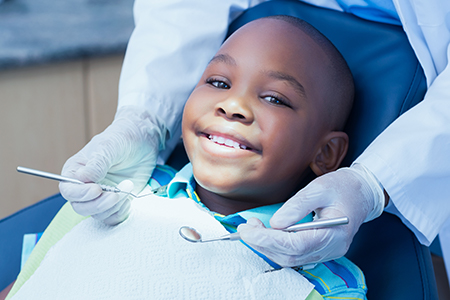
Regular dental exams are an essential tool for keeping children healthy and avoiding interruptions to daily life. During each visit, the dentist reviews medical and dental history, performs a complete oral exam, and evaluates how teeth and jaws are developing. These checkups are a chance to catch early decay, spot enamel changes, and assess the need for preventive interventions.
Diagnostic imaging, such as digital radiographs, is used selectively to see beneath the surface — checking for cavities between teeth, monitoring tooth eruption patterns, and evaluating the health of the supporting jawbone. Because these images are digital, they require less radiation than older methods and provide clearer information for decision-making.
Professional cleanings performed during these visits remove plaque and build-up in areas that are hard to reach at home. Cleanings not only improve oral comfort and appearance but also reinforce the benefits of consistent home care. Each appointment becomes a learning moment tailored to a child’s current needs.
Tooth decay is one of the most common health issues children face, and it can progress quickly if not addressed. Early decay may cause pain, difficulty eating or sleeping, and in some cases lead to infections that affect overall health. Recognizing risk factors — including frequent exposure to sugary drinks, prolonged bottle use, or inconsistent oral hygiene — helps families take targeted steps to reduce those risks.
Preventive tools such as topical fluoride and dental sealants provide an additional layer of defense. Fluoride strengthens enamel, making teeth more resistant to acid attack, while sealants protect the chewing surfaces of molars where decay often begins. These measures are noninvasive and can be applied quickly during routine visits.
Start dental care early by cleaning gums and emerging teeth and scheduling a first visit around the first birthday.
Encourage daily toothbrushing with an age-appropriate brush and a pea-sized amount of fluoride toothpaste when recommended.
Avoid letting infants fall asleep with bottles of milk or juice; if needed, water is the safer alternative at sleep time.
Bring children to the dentist for routine checkups and cleanings so issues can be caught and managed early.
Model good habits — children learn by watching caregivers maintain their own oral health routines.
Choose tooth-friendly snacks and limit sugary beverages, replacing them with water when possible.
Help children stop pacifier use or thumb-sucking at appropriate ages to support healthy bite development.
Protect active children with a properly fitted mouthguard during sports and other impact activities.

Baby teeth begin forming long before they erupt, and by the first birthday many infants have their first visible teeth. Early checkups let clinicians review feeding practices, discuss teething comfort measures, and establish a plan for ongoing preventive care. A gentle start reduces the likelihood of early decay and helps parents feel confident about daily care.
Parents should expect practical guidance on cleaning emerging teeth, recognizing signs of decay, and making small adjustments to routines that protect oral health. Teething can be uncomfortable, but safe measures such as cold teething rings or gentle gum massage often provide relief. Open communication with the dental team can help address any concerns promptly.
Baby teeth play important roles beyond appearance: they enable chewing, support speech development, and hold space for permanent teeth. Protecting primary teeth helps preserve the proper alignment and function of the future adult smile.
As children grow, their oral needs change rapidly. Mixed dentition — the transition from primary to permanent teeth — requires careful monitoring to ensure teeth erupt in a healthy sequence. The dental team evaluates bite development, jaw growth, and any signs that orthodontic evaluation may be beneficial. Early detection of alignment concerns can simplify later treatment.
Nutritional needs, sports participation, and social pressures all influence adolescent oral health. We support families with guidance on dietary choices that support strong teeth, advice about protecting teeth during athletics, and instruction on maintaining oral hygiene even with busy schedules. Empowering teens with knowledge helps them take ownership of their oral care.
When restorative or interceptive treatments are needed, the focus is always on preserving healthy structure and maintaining function while minimizing stress for the child. Treatment plans are individualized, explained in clear terms, and coordinated with parents so decisions reflect the child’s best interests.
Monitoring facial growth and jaw relationships is part of comprehensive pediatric care. Subtle trends in bite alignment or tooth position often emerge long before full orthodontic treatment is necessary. When appropriate, we discuss timing and options so families can make informed choices about evaluations and referrals.
A balanced diet supports strong teeth and healthy gums. Limiting frequent exposure to sugary or sticky foods, choosing water over sweetened drinks, and including foods rich in vitamins and minerals all contribute to oral resilience. We offer practical suggestions that fit into family life and help children make healthier choices.
In summary, pediatric dentistry is an investment in a child’s overall health and confidence. From first visits and preventive care to monitoring growth and guiding families through transitions, our goal is to make dental care clear, achievable, and reassuring. To learn more about pediatric services or to discuss what care might be best for your child, please contact us for additional information.


A pedodontist is a dentist who has received advanced specialty training in meeting the dental needs of children from infancy to adolescence. Pedodontists, also referred to as "pediatric dentists," study child psychology, behavior management, caring for children with special needs, methods of handling oral/facial trauma, and various techniques for providing anesthesia and sedation. Pedodontists also understand the complexities of facial growth and development and have the clinical skills required to meet the dental needs of all children at every stage of development. Most of all, pedodontists are passionate about what they do and enjoy working with children. They strive to make every dental experience a positive one as they help children establish a strong foundation for good oral health.
Even before your child is born, their first set of teeth is already forming. In fact, by one year of age, some of your baby's front teeth will have already come into place. While the arrival of your baby's first teeth is only one of many developmental milestones, it represents an excellent time to begin a program of oral care. According to recommendations from the American Dental Association, babies should see the dentist around the time of their first birthdays.
Your baby's first teeth typically begin to appear in the 6 to 12-month range. While this is an extraordinary milestone, you need to be aware that your baby may find the experience a little bit uncomfortable. Teething can make babies feel irritable. They may be fussy, have trouble sleeping, not want to eat, and drool quite a bit.
Although you are powerless to speed up the process of teething, there are a few things that you can do to soothe your baby as the new teeth are erupting into place. Common approaches to helping your baby feel more comfortable while getting new teeth, include teething rings or a cold spoon or moist gauze rubbed over their gums.
Even for these few new teeth, it's absolutely essential to establish an effective regimen of oral care. For information on when your baby's first set of teeth will erupt into place, consult this timeline from the American Dental Association: Eruption Charts
Some children persist in sucking their thumbs or fingers beyond their preschool years. For these children, the activity continues to be a source of comfort, relaxation, and security. It may even help them fall asleep at night. However, it's essential to be aware that in the long-term, a finger sucking habit is not healthy.
If your child's thumb or finger sucking habit is still present when the permanent teeth begin to come in, your child is at a higher risk of developing a bad bite. By the age of five or six years, you need to constructively and gently help your child stop the habit.
It's also a good idea to have a comprehensive evaluation at this time. Your pedodontist can assess if there are any habit related alterations to the alignment of your child's teeth or jaws, or if it is affecting their speech or swallowing patterns. They can also discuss habit control strategies with you, as well as follow your child's bite and facial development as they grow. If interceptive appliances or corrective orthodontic care are recommended, the timetable and best options in care will be explained in complete detail.
Pediatric dentistry focuses on preventive care, growth monitoring, behavior guidance and age-appropriate treatment for children from infancy through adolescence. Early visits emphasize education for parents and positive experiences for children so oral health habits begin on the right foot. The American Academy of Pediatric Dentistry recommends a first visit around the child’s first birthday to establish a dental home and evaluate risk factors for decay. At Lake Harris Dental we encourage early visits at our Fruitland Park office to build comfort and begin routine monitoring.
Establishing a dental home means consistent preventive care, timely interventions and coordination with other specialists when needed. Regular visits allow the dental team to track tooth eruption, jaw growth and oral habits that can affect long-term alignment. Early engagement reduces the likelihood of emergency visits and supports calmer, more cooperative care as children grow. Ongoing education helps families make daily choices that protect a child’s smile for years to come.
Preparation begins with positive language and realistic expectations so the visit feels safe rather than scary. Read children's books or watch short videos about dental visits, practice sitting in a chair at home and role-play gentle counting and mouth-opening games to build familiarity. Choose a calm time of day when your child is rested and not hungry, and bring a favorite comfort item if it helps them relax. Small, upbeat explanations about meeting the dentist and counting teeth are often more effective than warnings about pain.
On the day of the visit, arrive a few minutes early to allow time to settle in and complete any necessary medical updates. Share your child’s feeding, sleeping and developmental history with the team and mention any previous medical experiences that may affect cooperation. Ask the dental team about what to expect during the appointment and whether parental presence is recommended for your child’s comfort. Clear communication helps the team tailor the visit to your child’s needs and makes the experience more productive.
Preventive pediatric services include routine oral exams, professional cleanings, fluoride varnish applications and dental sealants for vulnerable chewing surfaces. The dental team also conducts growth and development assessments, selectively uses diagnostic imaging when indicated, and provides anticipatory guidance about brushing, flossing and nutrition. These preventive measures focus on identifying early signs of decay and addressing risk factors before more extensive treatment is required. Regular preventive visits are designed to reinforce home care and to adapt recommendations as children grow.
Additionally, pediatric care often includes habit counseling for thumb-sucking or prolonged pacifier use, space maintenance for early tooth loss and fitting for protective mouthguards when children play sports. Clinicians provide personalized advice about timing and frequency of preventive services based on each child’s risk profile. When restorative care is needed, it is planned with the least invasive approach that preserves tooth structure and function. Coordination with other specialists is arranged when more advanced or interceptive care is appropriate.
Fluoride treatments and dental sealants are recommended based on a child’s individual risk of decay and the clinical condition of their teeth. Fluoride varnish can be applied during routine visits to strengthen enamel and reduce cavity risk, especially in children with frequent sugar exposure or early signs of demineralization. Sealants are typically placed on permanent molars soon after they erupt to protect deep grooves where decay commonly starts. The dental team evaluates eruption timing and decay risk to determine the appropriate use and frequency of these preventive interventions.
Both fluoride varnish and sealants are minimally invasive and supported by clinical evidence as effective preventive measures when used appropriately. Sealants are monitored at follow-up visits for retention and reapplication if needed, while topical fluoride is applied according to risk-based schedules. Parents should discuss home fluoride use, such as toothpaste concentration and application, with the dentist to ensure safe and effective use. Individualized recommendations help maximize protection while minimizing unnecessary exposure.
Common pediatric treatments include restorative fillings for cavities, stainless steel crowns for extensively decayed primary molars, and pulp therapy when the tooth nerve is affected. Restorations are performed using protective techniques such as local anesthesia and isolation, and the materials chosen depend on the tooth, extent of decay and expected longevity. Stainless steel crowns are a durable, predictable option for primary molars that restores function and prevents further breakdown. When infection or extensive decay reaches the tooth’s nerve tissue, pulp therapy is performed to preserve the tooth until normal permanent tooth development occurs.
Extractions are reserved for teeth that cannot be saved or when a primary tooth is interfering with normal development, and the team discusses space-maintaining options if early loss could affect alignment. Procedures are explained in simple terms and scheduled with attention to a child’s age, behavior and comfort needs. Aftercare instructions cover pain control, diet adjustments and follow-up checks to ensure healing and function. The goal of treatment is to restore oral health while minimizing stress for the child and family.
At the office of Lake Harris Dental we use evidence-based behavior guidance techniques to ease anxiety and build trust during dental care. Methods such as tell-show-do, positive reinforcement, distraction and gradual desensitization help children understand procedures and feel safe. The dental team communicates clearly with both child and caregiver, uses age-appropriate language and adapts the pace of care to each child’s tolerance. Creating predictable visits and celebrating small successes supports cooperative behavior over time.
For children who remain highly anxious or require extensive treatment, options such as nitrous oxide or other sedation modalities may be discussed and selected based on medical history and clinical need. Any sedation is delivered with appropriate monitoring and by trained providers following safety protocols. The team explains these options in advance and answers caregiver questions about preparation and recovery. Patient comfort and safety are central to planning any approach used to manage anxiety.
The American Academy of Orthodontists recommends an orthodontic evaluation by about age 7 to identify developing bite or alignment issues, since early signs often appear during mixed dentition. Pediatric dentists monitor tooth eruption patterns, jaw growth and habits that influence alignment and can recommend timely referral when interceptive measures may reduce the need for more extensive treatment later. Interceptive treatments such as space maintainers, guided growth appliances or habit appliances can simplify later orthodontic care when applied at the appropriate developmental stage. Early evaluation does not always mean immediate treatment, but it allows for strategic timing and planning.
Pediatric dental teams coordinate closely with orthodontists when referrals are indicated, sharing diagnostic records and observations about growth trends. This collaborative approach helps families understand options, expected timing and potential outcomes so decisions reflect the child’s best interests. Monitoring continues through routine dental visits so changes can be detected and addressed promptly. Clear communication between providers supports smoother transitions to orthodontic care when needed.
If a permanent tooth is knocked out, acting quickly improves the chance of saving it: find the tooth by the crown, avoid touching the root, gently rinse debris without scrubbing and attempt reimplantation only if you can do so safely. If reimplantation is not possible, keep the tooth moist in milk, saline or the child’s saliva and seek emergency dental care immediately. Time is a critical factor for successful reattachment of permanent teeth, so prompt professional attention is essential. For injuries that cause severe bleeding, swelling or breathing difficulty, seek urgent medical care.
For injured primary (baby) teeth, do not attempt to reimplant a knocked-out tooth because doing so can damage underlying permanent tooth structures. Control minor bleeding with gentle pressure and a cold compress for swelling, and contact the dental office to arrange an examination. The dental team evaluates for damage to surrounding teeth, risk of infection and any need for follow-up monitoring or treatment. Having a plan for emergencies and knowing how to preserve the tooth can make a meaningful difference in outcome.
Frequent exposure to sugary or acidic foods and drinks increases the risk of tooth decay by prolonging acid attacks on enamel, so limiting snacks and offering water between meals helps protect developing teeth. Sticky sweets and prolonged bottle or sippy-cup use with juice or milk can create pools of fermentable sugar around teeth and should be avoided at sleep time. Encouraging balanced meals with calcium-rich and nutrient-dense foods supports enamel formation and overall oral health. Consistent brushing with fluoride toothpaste and flossing when teeth contact are essential complements to a tooth-friendly diet.
Oral habits such as prolonged thumb-sucking or pacifier use can influence bite development if they persist beyond the preschool years, and caregivers should seek guidance about gentle strategies to phase these habits out. Modeling good oral care and making dental routines predictable and fun increases the likelihood that children will adopt lifelong habits. The dental team provides practical, age-appropriate advice tailored to family routines and developmental needs. Early, small changes in diet and behavior can yield lasting benefits for a child’s smile.
Children should wear a mouthguard whenever participating in sports or recreational activities with risk of facial impact, starting as soon as they begin organized play. Mouthguards fall into three categories: stock guards, boil-and-bite models and custom-fitted devices made by a dental professional, with custom options offering the best fit, protection and comfort. A properly fitted mouthguard helps protect teeth, soft tissues and jaws, and can reduce the risk of costly or traumatic injuries. Caregivers should select a guard that stays in place, allows clear speech and breathing and fits comfortably with any orthodontic appliances.
Custom-fitted mouthguards are fabricated to match a child’s dental anatomy and can be adjusted over time as teeth change, while boil-and-bite guards offer an intermediate level of fit and protection. Mouthguards should be cleaned after use, stored in a ventilated case and replaced when worn or when the child’s dentition changes. Parents can bring sports schedules and concerns to routine dental visits so the team can recommend the best protective option. Ensuring appropriate protection helps children stay active while minimizing dental injury risk.

Looking to book your next dental visit or need more information about our services?
Getting in touch with Lake Harris Dental is simple and stress-free. Our welcoming team is happy to help you schedule an appointment, explain treatment options, and answer any questions you may have. Whether you choose to call, email, or use our easy online contact form, we’re ready to assist you. Take the next step toward a healthier, more confident smile by contacting us today and experience dental care tailored just for you.