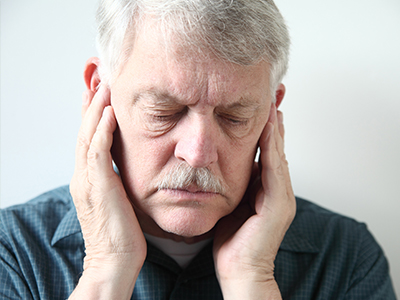
Temporomandibular joint (TMJ) disorders affect millions of people and are a frequent cause of persistent facial pain and jaw dysfunction. Research from the National Institute of Dental and Craniofacial Research (NIDCR) highlights how common these problems are and why timely recognition matters. This page explains what TMJ disorders are, how they present, what can contribute to them, and the practical steps available to manage symptoms and improve function.
The temporomandibular joints link your lower jaw (mandible) to the skull on both sides of the head. Each joint includes the condyle of the jaw, the glenoid fossa of the temporal bone, a shock-absorbing disc, surrounding ligaments, and the muscles that control chewing and expression. Because these components must work together seamlessly, even small changes in one part can alter how the whole system performs.
What makes the TMJ unique is its combination of hinge and sliding motions: the jaw opens and closes like a hinge but also glides forward, backward, and side to side. This complexity allows for sophisticated mouth movements—speaking, biting, yawning—but also creates multiple opportunities for strain or malfunction.
When the joint, the disc, the muscles, or the bite are out of sync, the result can be discomfort, restricted movement, or unusual noises during jaw motion. Appreciating the anatomy helps patients understand why symptoms can vary widely and why treatment often takes a multi-faceted approach.
Recognizing that the jaw works as part of a larger system—including the neck, ears, and facial muscles—helps explain why symptoms sometimes appear far from the joint itself. That interconnectedness is central to both diagnosing TMJ disorders and designing effective care plans.
TMJ disorders can present in many ways, and no single symptom defines the condition. Common complaints include jaw pain or tenderness, limited range of motion, and clicking, popping, or grating sounds when opening or closing the mouth. Some people experience episodes of the jaw locking open or closed, which can be alarming and interfere with eating or speaking.
Pain may also radiate to nearby areas, producing headaches, ear discomfort (including the sensation of fullness or ringing), or stiffness in the neck and shoulders. Because these secondary symptoms overlap with other conditions, a careful assessment is important to determine whether the TMJ is the primary source.
Symptoms may come and go, worsen with stress or chewing tough foods, or be most noticeable in the morning for patients who clench or grind their teeth at night. Tracking symptom patterns—what makes them better or worse—can give useful clues during evaluation and guide treatment decisions.
Several factors increase the likelihood of developing TMJ-related problems. Repeated or prolonged jaw clenching and teeth grinding (bruxism) place persistent pressure on the joint and muscles, gradually leading to soreness and dysfunction. Direct trauma to the jaw, such as a blow or whiplash, can also initiate internal changes in the joint or surrounding tissues.
Arthritic conditions can affect the joint’s structure and lubrication, producing progressive wear and discomfort. Hormonal influences, stress-related muscle tension, and certain bite discrepancies can also play a role by altering the way forces are distributed across the jaw.
It’s important to view risk factors as contributors rather than single causes; most TMJ disorders result from a combination of mechanical stress, muscular behavior, and individual susceptibility. Identifying which factors are active for a given patient helps the clinician tailor a targeted, practical treatment plan.
Behavioral elements are often modifiable—reducing daytime clenching, improving posture, and adopting relaxation techniques can make a meaningful difference when used alongside clinical therapies.
A clear diagnosis begins with a comprehensive clinical exam. The dentist will observe jaw movement, listen for joint noises, palpate the muscles and joint for tenderness, and assess range of motion. Detailed history-taking—when symptoms started, what worsens them, and any history of trauma or grinding—helps shape the diagnostic picture.
Imaging may be used when necessary to visualize internal joint structures or to rule out other conditions. This can include panoramic X-rays, cone-beam CT for detailed bone views, or MRI to assess soft tissues such as the intra-articular disc. Not every case requires advanced imaging; the clinician selects tests based on clinical findings and how those results would change management.
Because TMJ problems often involve muscles as much as the joint itself, the evaluation may also include a broader musculoskeletal and dental assessment. Bite analysis, orthodontic history, and an appraisal of the patient’s sleep and stress habits can all contribute valuable information.
Most TMJ cases begin with conservative, reversible therapies aimed at reducing pain and restoring function. Simple measures often recommended include soft diet, avoiding extreme jaw movements, and applying cold or warm compresses to ease muscle tension. Short-term use of over-the-counter pain relievers can help manage acute flare-ups under a clinician’s guidance.
Oral appliances—custom-fitted night guards or stabilization splints—are commonly used to reduce the impact of bruxism and protect teeth while decreasing joint strain. These devices are designed to redistribute forces and allow the muscles and joints to relax, which can reduce pain and prevent further wear.
Physical therapy techniques, such as guided jaw exercises, posture coaching, and manual therapy, can improve mobility and muscle balance. In selected cases, targeted injections or medication may be used to reduce inflammation or muscle spasm. More invasive options, including certain surgical procedures, are reserved for persistent or structurally complex problems when conservative care has not provided adequate relief.
Successful management often combines clinical treatments with practical self-care strategies and lifestyle adjustments. This collaborative approach—where the patient is an active participant—yields the best long-term outcomes and helps prevent recurrence of symptoms.
At Lake Harris Dental, our team evaluates TMJ concerns with a focus on accurate diagnosis, evidence-based therapies, and individualized care plans that prioritize comfort and function. If you’re experiencing jaw pain, clicking, or limited movement, we can help determine whether a TMJ disorder is the cause and recommend an appropriate course of action.
In summary, TMJ disorders are common but treatable. Understanding the joint’s anatomy, recognizing symptom patterns, identifying contributing factors, and pursuing a targeted evaluation are the first steps toward relief. Contact us to learn more about TMJ assessment and treatment options and to schedule an evaluation with our team.


Temporomandibular joint disorders are a group of conditions that affect the jaw joint, the surrounding muscles, and the connective tissues that enable jaw movement. These disorders can cause pain, limited motion, and noises such as clicking or popping during opening and closing. Because the TMJ combines hinge and sliding motions, dysfunction can disrupt chewing, speaking, and other daily activities.
Symptoms vary widely from person to person and may be intermittent or persistent. The joint does not act in isolation: neck muscles, facial muscles and ear structures can all contribute to the clinical picture. Recognizing the range of presentations helps clinicians design individualized evaluation and treatment plans.
TMJ disorders often result from a combination of mechanical stress, muscular behavior, and individual susceptibility rather than a single cause. Repeated clenching or grinding (bruxism), direct trauma to the jaw, and certain arthritic conditions can each contribute to joint or muscle irritation. Bite discrepancies, poor posture, and prolonged jaw overuse from activities like chewing tough foods or frequent gum chewing also increase risk.
Psychological stress can amplify muscle tension and make symptoms worse, while hormonal and genetic factors may influence tissue response and healing. Identifying the active contributors for each patient is an important step in tailoring conservative strategies that address the root drivers of dysfunction. Behavioral changes combined with clinical therapies often produce meaningful improvement.
Common warning signs include jaw pain or tenderness, clicking, popping or grating sounds with movement, and a reduced ability to open or close the mouth fully. Some patients experience episodes of locking where the jaw becomes temporarily stuck open or closed, which can interfere with eating and speaking. Pain may radiate to the temples, cause headaches, or create sensations of ear fullness or ringing.
Symptoms can fluctuate and may worsen with jaw use, stress, or after periods of teeth grinding at night. Tracking when symptoms appear, what activities aggravate them, and any related sleep or neck issues helps clinicians narrow the diagnosis. A careful history and physical exam are key because these symptoms overlap with other conditions affecting the head and neck.
Evaluation begins with a thorough clinical exam that assesses jaw motion, joint sounds, muscle tenderness, and bite relationships. The dentist will take a detailed history covering symptom onset, patterns, trauma, sleep habits and any history of clenching or grinding. Simple functional tests and palpation of the joint and related muscles often provide practical diagnostic information.
When indicated, imaging such as panoramic X-rays, cone-beam CT or MRI may be used to visualize bone, joint alignment and soft tissues like the intra-articular disc. The choice of imaging depends on clinical findings and whether the results will influence treatment. A comprehensive assessment often also considers posture, neck mobility and dental factors that affect force distribution across the jaw.
Most TMJ problems respond well to conservative, reversible therapies aimed at pain reduction and functional restoration. Initial measures typically include a soft diet, avoiding wide yawns and hard foods, applying cold or warm compresses, and short-term use of over-the-counter pain relievers as recommended by a clinician. Stress management techniques and behavioral modifications to reduce daytime clenching can also lessen muscle strain.
Physical therapy approaches such as guided jaw exercises, posture correction and manual techniques often improve mobility and reduce pain. Oral appliances and other noninvasive interventions are commonly integrated with home-care strategies to provide sustained relief. This stepwise, multidisciplinary approach prioritizes safety and aims to restore normal function without irreversible procedures.
Custom-fitted oral appliances, such as night guards or stabilization splints, are designed to protect the teeth and reduce harmful forces on the joint and muscles during sleep. By altering the way the upper and lower teeth meet, these devices can redistribute occlusal forces, decrease muscle hyperactivity and allow inflamed tissues to recover. Many patients notice reduced grinding, less morning soreness and improved comfort with consistent appliance use.
Appliances are adjustable and reversible, making them a conservative first-line option for bruxism-related TMJ issues. Effectiveness varies with the underlying cause, so careful fabrication, periodic follow-up and coordination with other therapies are important. In some cases an appliance is combined with physical therapy, behavioral changes and targeted medical management for best results.
Yes. Physical therapy and structured home exercise programs can play a central role in restoring jaw mobility, rebalancing muscles and reducing pain. Therapists use techniques such as gentle stretching, strengthening exercises, posture training and manual therapy to address muscular imbalances and improve coordination. Patients who learn safe, repeatable exercises often gain better long-term control over symptoms.
In addition to exercises, physical therapy may include education on protective jaw mechanics and ergonomic changes to reduce strain. Combining at-home exercises with in-clinic therapy and lifestyle adjustments—like improved sleep habits and stress reduction—tends to produce more durable improvements than any single approach alone. Regular follow-up ensures exercises are progressed appropriately and goals are met safely.
Injectable treatments and surgery are generally reserved for patients who do not respond to thorough conservative care or who have specific structural problems identified on imaging. Targeted injections, such as corticosteroids or arthrocentesis, can reduce inflammation and improve joint mobility in selected cases. These procedures are considered when there is clear evidence that they will address the source of pain and improve function.
Surgery is uncommon and typically limited to structural joint abnormalities, severe degenerative changes, or cases of internal derangement that disable normal activity despite nonsurgical measures. Surgical planning involves careful imaging, specialist consultation and a clear discussion of risks, benefits and expected outcomes. Most patients achieve satisfactory relief with noninvasive therapies and coordinated multidisciplinary care.
Simple behavioral changes can lower the risk or severity of TMJ issues in many people. Avoiding hard or chewy foods, limiting wide yawns, reducing gum chewing, and consciously relaxing the jaw during stressful moments help reduce repetitive strain. Practicing good posture, especially during long periods of sitting or screen use, can also decrease tension that transmits to the jaw and neck.
Addressing teeth grinding with a night guard when appropriate, using relaxation techniques for stress management, and seeking early evaluation for jaw pain or persistent clicking can prevent progression. Regular dental checkups that include assessment of bite relationships and muscle function help identify contributing factors before they become chronic. Early intervention focused on modifiable behaviors often produces better outcomes than delayed treatment.
At Lake Harris Dental our TMJ evaluation begins with a detailed history and a focused clinical exam to observe jaw movement, listen for joint noises and palpate muscles for tenderness. We will review your dental and medical history, ask about sleep habits and any history of clenching or trauma, and perform functional tests to assess range of motion and bite relationships. This information helps us determine whether further imaging or specialist referral is necessary.
When imaging or additional tests are indicated, we select studies that will change management rather than ordering them routinely. Treatment recommendations emphasize conservative, evidence-based options such as tailored oral appliances, guided home exercises, physical therapy and targeted procedural interventions when appropriate. Our goal is to create an individualized plan that reduces pain, restores function and supports long-term oral health in Fruitland Park, FL and the surrounding community.

Looking to book your next dental visit or need more information about our services?
Getting in touch with Lake Harris Dental is simple and stress-free. Our welcoming team is happy to help you schedule an appointment, explain treatment options, and answer any questions you may have. Whether you choose to call, email, or use our easy online contact form, we’re ready to assist you. Take the next step toward a healthier, more confident smile by contacting us today and experience dental care tailored just for you.